From roof assessment to system handover, understand the technology, the installation and the decisions that make a difference.
Solar photovoltaic (PV) panels convert daylight into direct-current electricity. An inverter converts it into alternating current suitable for your home's electrical system. Electricity is used in the property first, with surplus potentially stored in a battery or exported where the connection and tariff allow.
Solar works in daylight, not only bright sunshine. Output changes with season, roof orientation, shading, temperature and the size of the array.
HOW WE DESIGN YOUR ARRAY ↗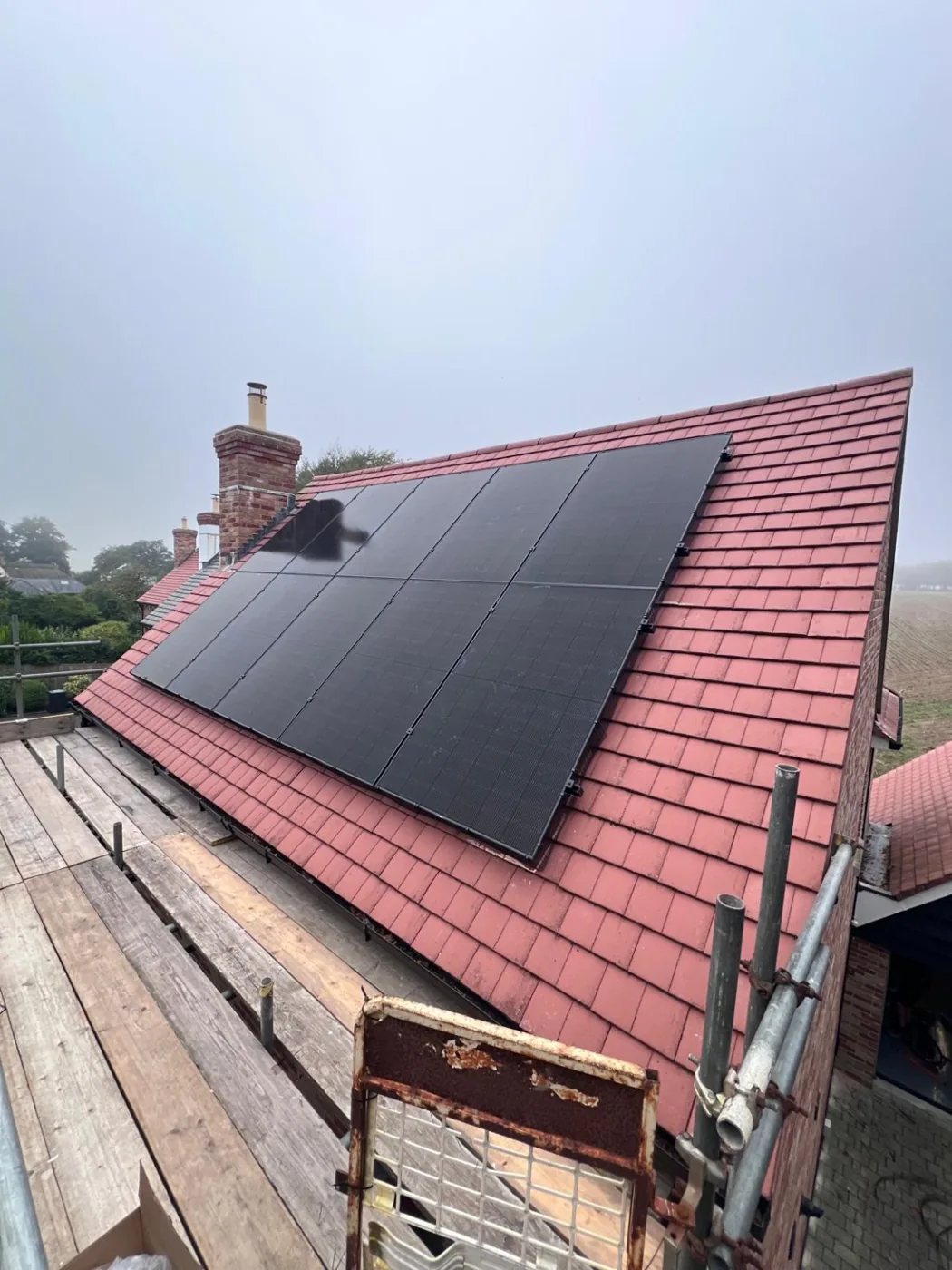
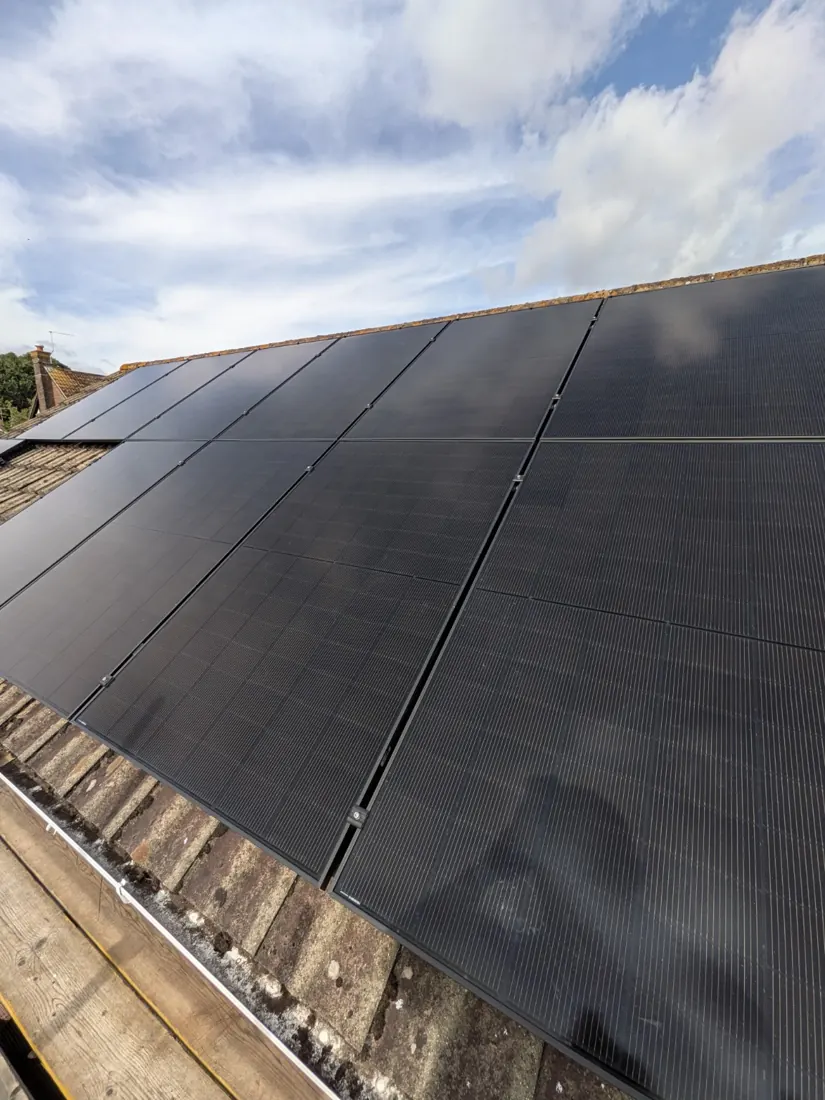
Modern all-black modules generate electricity from available daylight. We assess module dimensions, roof area, orientation and suitability rather than simply fitting the maximum number.
The inverter manages conversion of solar electricity. A compatible hybrid inverter can also coordinate battery charging and discharging. The right size depends on the array and design.
A battery can store some excess solar production for use later in the day. Storage capacity, power rating, compatibility and your electricity usage all matter.
South-facing roofs can provide strong annual output, while east–west arrays can spread generation across the day. The right solution depends on your roof and demand.
Trees, chimneys, dormers and neighbouring structures can affect performance. We consider panel layout and suitable electrical design.
We assess the roof covering, practical mounting arrangement, access and whether any remedial work is needed before installation.
The inverter and export arrangements may require notification or permission from the local network operator. We explain the relevant steps for your installation.
Yes. Solar panels generate from daylight, although output is usually lower in dull weather than in bright conditions.
No. East- and west-facing roofs can be suitable and may provide useful generation at different times of day.
Often, yes. The best route depends on the existing inverter, electrical design, compatibility and available space.
Most grid-connected homes continue to import electricity at times when solar generation and stored energy are insufficient.
It depends on system size, roof access, scaffolding, electrical work and network requirements. Your proposal should explain the expected programme.
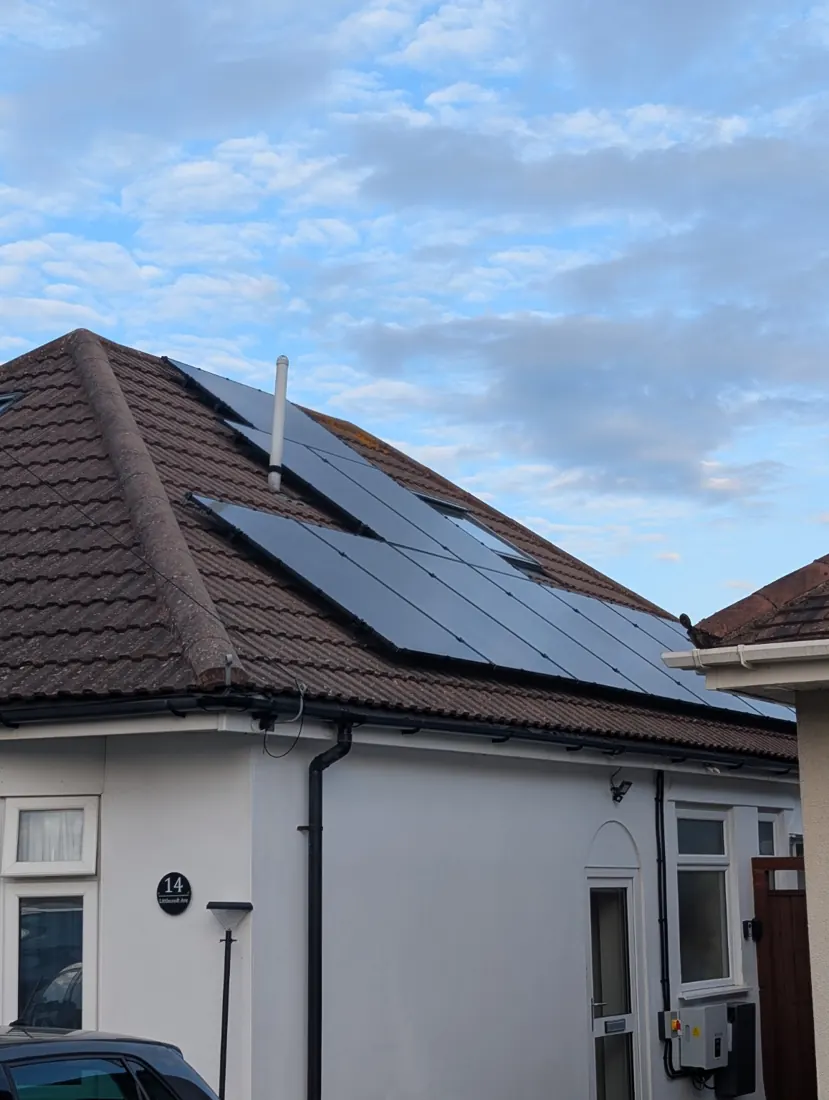
Photographs from real EnviroHomes solar installations.
Tell us a little about your home. We’ll discuss a suitable solar and battery setup and explain the next steps.
Or call our team on 01202 022993